We know our homes affect our health. So why aren't we teaching everyone about it?
Thursday, November 05, 2026
We know our homes affect our health. So why aren't we teaching everyone about it?
Yesterday, I attended the Housing and Health in a Cost-of-Living Crisis event at the The University of Huddersfield
An excellent afternoon bringing together housing researchers, social scientists and practitioners addressing fuel poverty, inequality and poor housing conditions.
Thanks to @Professor Phil Brown, Dr Danielle Butler from National Energy Action (NEA), Dr Tom Simcock, and Andy Petrie and everyone else who contributed to such an important conversation.
We discussed damp, mould, housing inequalities, split incentives and the importance of putting residents at the centre of decisions rather than doing things to them.
One point that particularly resonated was the importance of starting with children's bedrooms. We spend approximately 90% of our lives indoors. The conditions in which children sleep, play and grow influence their health, wellbeing and ability to learn.
Yet we continue to separate housing, health and education.
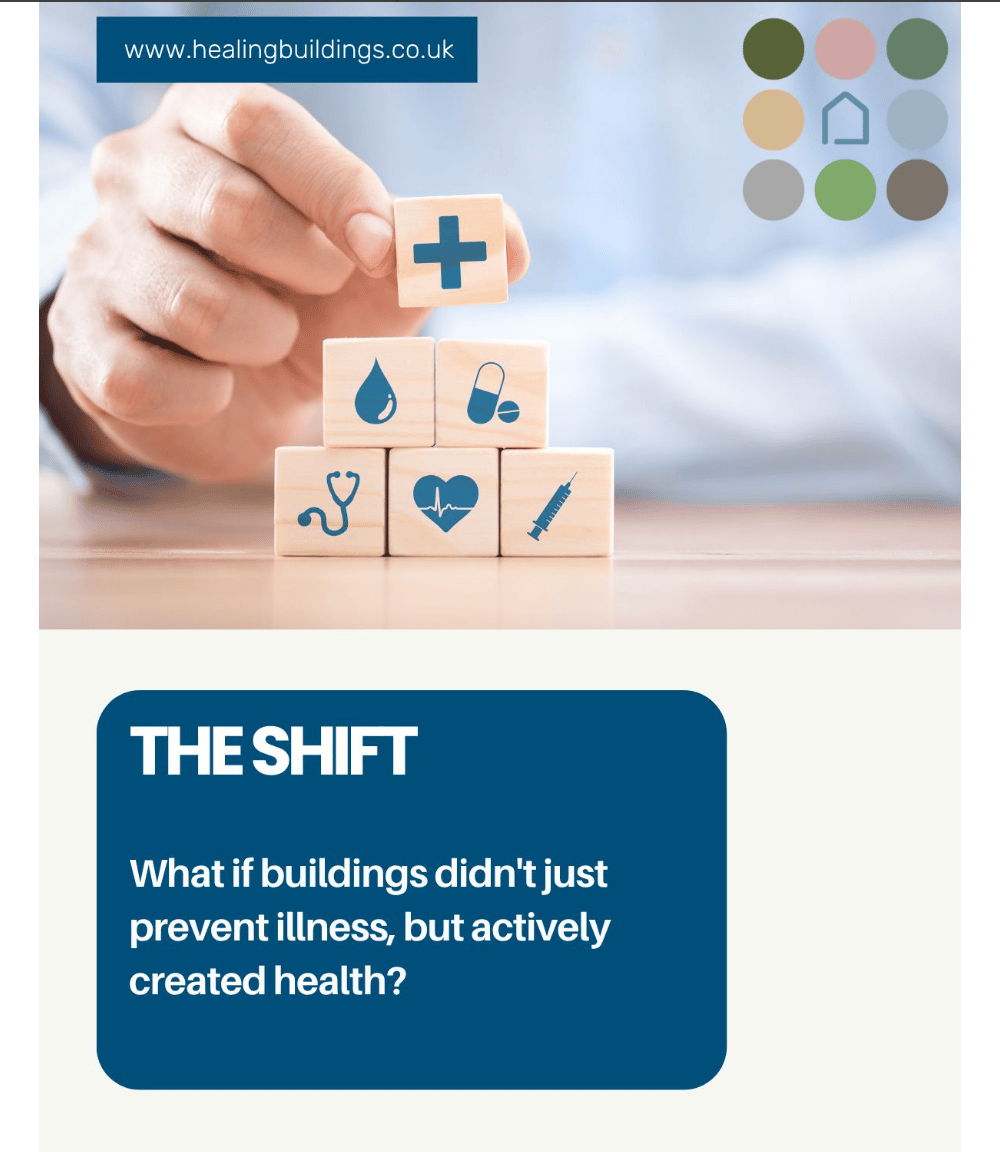
At Healing Buildings, my work centres on #salutogenesis, an approach that asks not simply what causes illness, but what creates and supports health.
In the built environment, this means moving beyond identifying hazards to asking a bigger question:
How can our buildings actively contribute to our health and wellbeing?
Comfort, daylight, fresh air, nature, belonging, community and control over our surroundings are fundamental to healthier places. (Think #biophilia and nature to start)
But the question I raised yesterday was about education.
We teach children about nutrition, exercise, health and nature.
- But where do we teach them about the buildings in which they spend most of their lives?
- Why don't we have a Built Environment GCSE?
- Why isn't understanding buildings and its impact on us part of everyone's education?
- And why aren't we educating the educators?
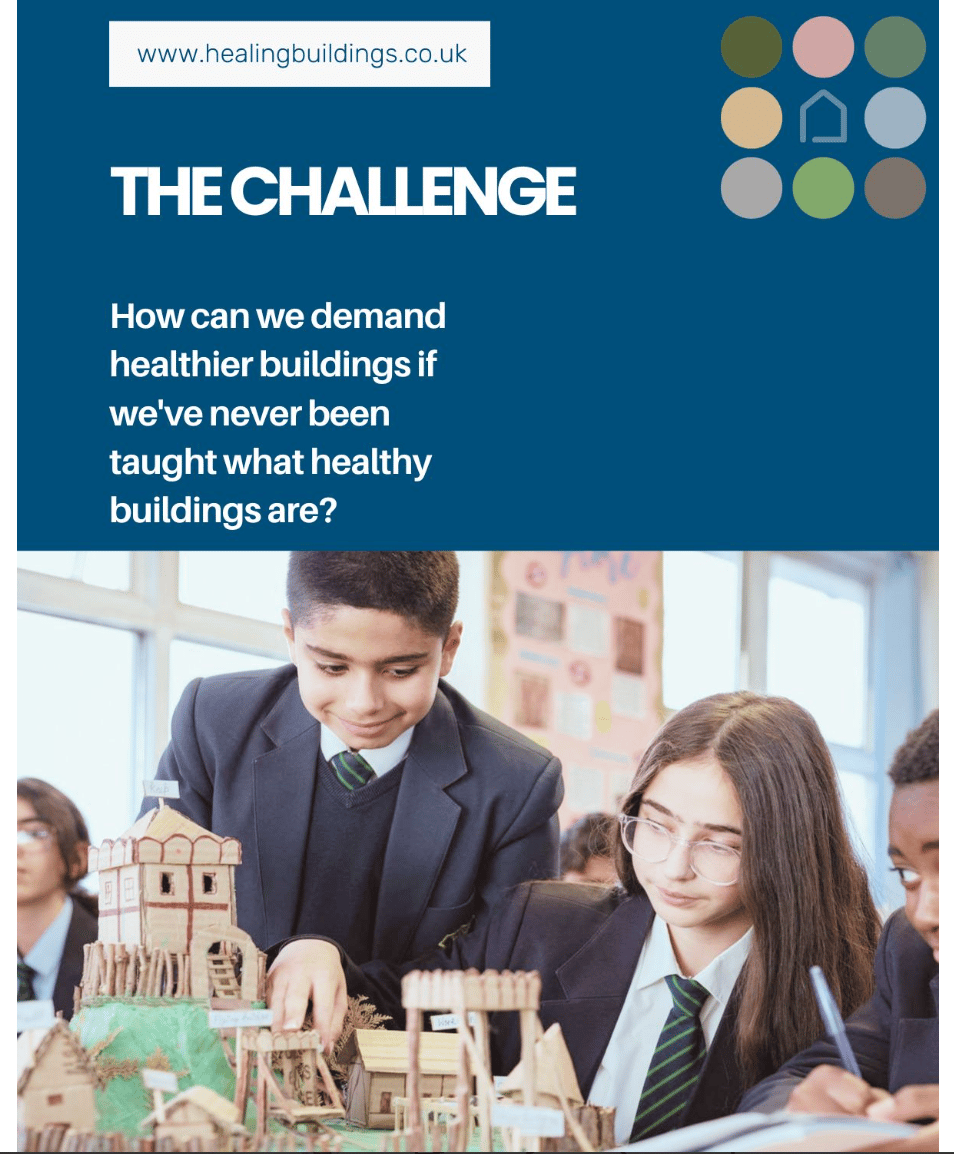
We need to start with our homes, classrooms, workplaces and communities, helping people understand how these environments affect them.
This thinking also underpins a new Healing Buildings series:
Bodies + Buildings
Exploring what architecture can learn from medicine, how our surroundings influence health, and how salutogenic thinking can help us design places that actively support wellbeing.
Healthy buildings shouldn't be a luxury. They should be an expectation.
We cannot expect people to demand healthier buildings if we have never taught them what a healthy building is.
Perhaps that is where the next conversation begins.
Healing Buildings | Because buildings should help us heal.
#HealingBuildings
#BodiesAndBuildings
#HousingAndHealth
#HealthyHomes
#BuiltEnvironment
#Education
DON'T EXTEND YET!
Download This Free Guide Before You Extend.
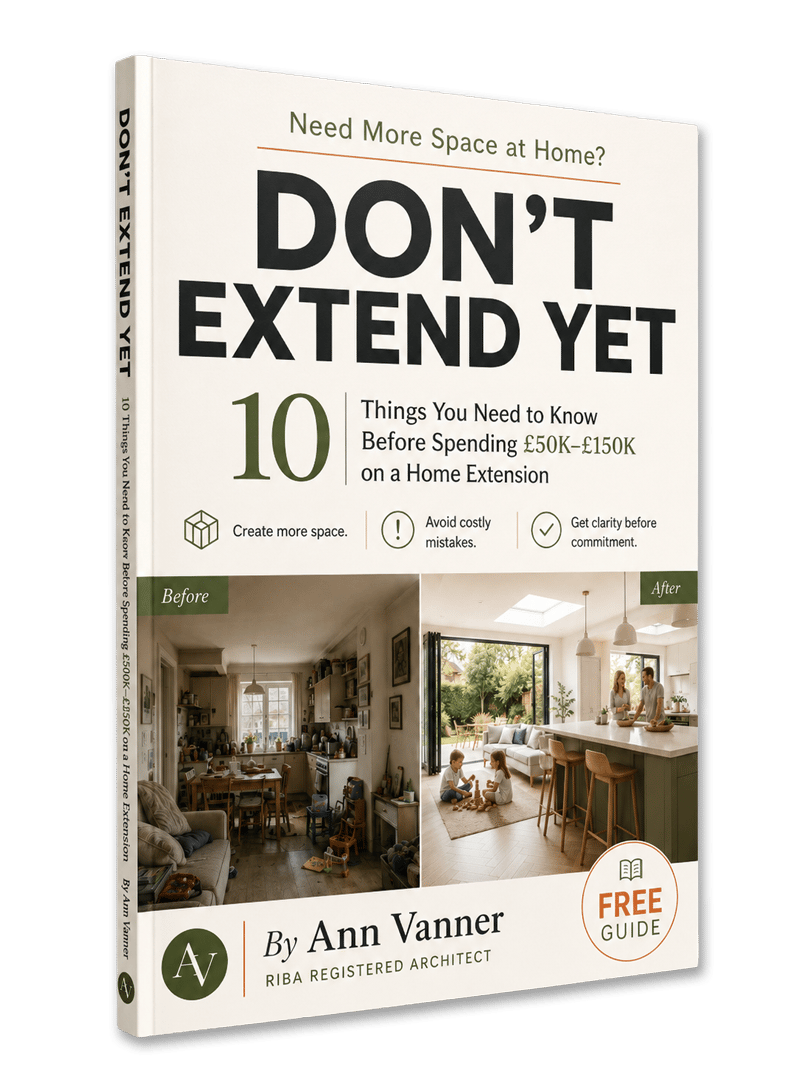
Need More Space at Home?
If your home feels too small, too cramped, or no longer works for the way your family lives, it’s easy to assume the answer is an extension.
But before you spend £50K–£150K, it pays to pause.
Don’t Extend Yet is a free practical guide for growing families who want more space without making an expensive mistake.
Inside, you’ll discover 10 things to consider before extending — including how to identify what’s really not working, explore options like reconfiguration, loft conversions and extensions, think realistically about budget, understand planning and building regulations, avoid hidden costs, choose the right builder, and decide whether to extend, rework or move.
Download your free copy today and get clear before you commit.